|
|
Criminal Docket - Practices and Procedures Trial dates for felonies are assigned at Arraignment. All parties must attend. The Court schedules dates pursuant to a Differentiated Case Management system (DCM). A Track Code is assigned to each case, depending on the complexity of the case, the number of defendants charged, and the anticipated length of the trial.
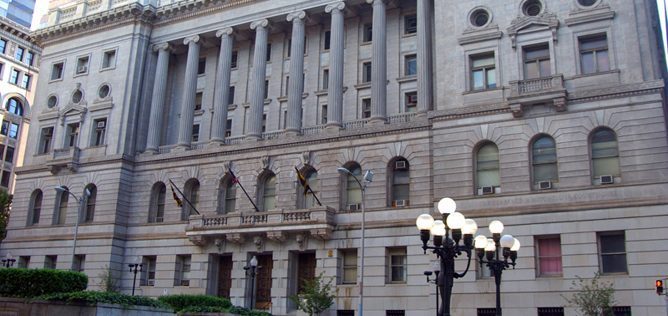
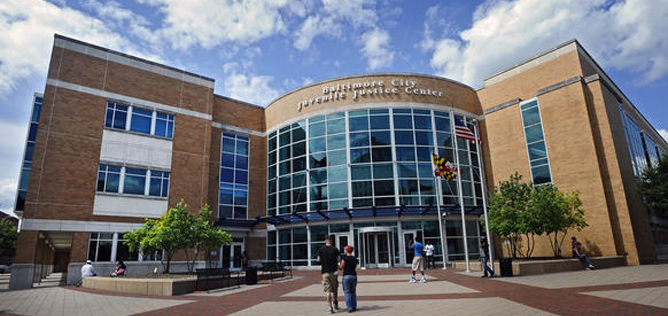
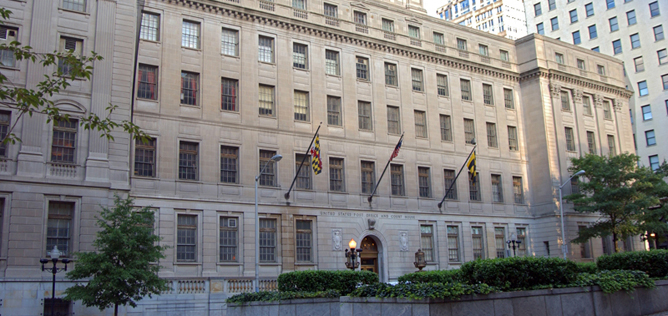
The Criminal Division initiated a Reception Courts Concept in March, 2007. The primary purposes are to try cases as expeditiously as possible and to limit postponements. Two Reception Courts, one in the Mitchell Courthouse and the other in Courthouse East, act as clearing houses, performing administrative review, taking guilty pleas while allowing felony incidents ready for trial to proceed to trial quickly.
Drug Treatment Court - A retired Judge presides over Drug Treatment Court two days a week and sees between 40 to 60 defendants. This Court determines a defendant’s progress and compliance with the terms of the plea agreement, at the time the defendant entered the program. Defendants participate in different drug treatment programs which last 6 months to 3 years, dependant on their individual’s circumstances. Referrals are made at a the time of Arraignment. Digital Recording of Court Proceedings - The Criminal Division courts use the digital recording process to make the record. This process allows for quick access to the courtroom proceedings that may affect a judge’’s decision on post-trial matters and assists attorneys in the use of crucial information that is accurate and quick to retrieve. |